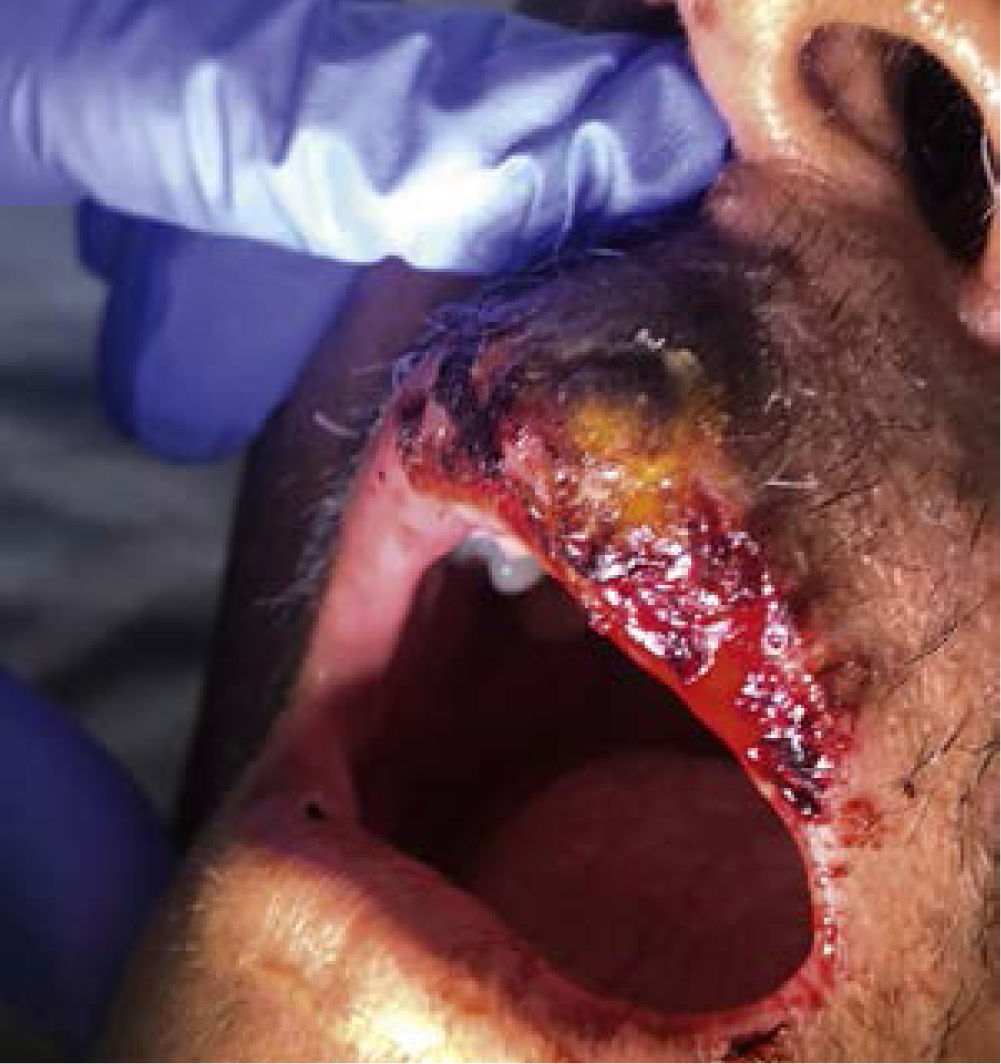
A sudden, painful lump on your skin can be concerning. Often, this is the tell-tale sign of a skin abscess, a common bacterial infection that can range from a minor nuisance to a serious medical issue if left untreated. Understanding the symptoms, causes, and when to seek professional medical attention for an Absceso En La Piel (the Spanish term for skin abscess) is crucial for effective management and recovery.
In this comprehensive guide, we'll delve into what a skin abscess is, how to identify its characteristic signs, the factors that contribute to its formation, and when it's time to elevate your home care routine to a doctor's visit. Our goal is to equip you with the knowledge to recognize and respond appropriately to this common skin condition.
What Exactly is a Skin Abscess? Understanding the Absceso En La Piel
At its core, a skin abscess is a localized collection of pus that forms within or just beneath the surface of the skin. Think of it as your body's attempt to wall off an infection. When bacteria invade the skin tissue, your immune system kicks into high gear. White blood cells, the body's natural defenders, rush to the site of infection to combat the invaders. In this battle, some tissue dies, and a thick, yellowish fluid – pus – accumulates. Pus is essentially a mix of dead white blood cells, bacteria, and tissue debris.
This accumulation creates a noticeable bump or nodule, which can feel firm or soft depending on its stage and depth. While abscesses can form anywhere on the body, they commonly appear in areas prone to friction, hair follicles, or minor injuries, such as the armpits, groin, buttocks, or extremities. An Absceso En La Piel might start small, but it can grow significantly as the infection progresses and more pus collects, creating pressure and pain.
Recognizing the Signs: Classic Symptoms of a Skin Abscess
Identifying a skin abscess early can prevent complications and expedite treatment. The symptoms are often quite pronounced and typically include the five cardinal signs of inflammation, along with other systemic indicators:
- Rubor (Redness): The skin overlying the abscess will appear noticeably red or discolored, often expanding in redness as the infection spreads.
- Calor (Heat): The affected area will feel warm to the touch, sometimes significantly warmer than the surrounding skin, due to increased blood flow as the body fights the infection.
- Dolor (Pain): Abscesses are typically very painful. The pain can range from a throbbing ache to a sharp, intense sensation, especially when touched or when pressure is applied. This pain can sometimes be so severe that it limits the functionality of the affected body part.
- Edema (Swelling): A prominent lump or swelling will be visible and palpable. The skin over the abscess may appear taut and shiny due to the pressure of the accumulated pus beneath it.
- Limitación Funcional (Loss of Function): Due to the intense pain and swelling, movement or use of the affected body part might be difficult or impossible. For example, an abscess in the armpit might make it painful to raise your arm.
Beyond these local signs, a skin abscess can also cause systemic symptoms, indicating that your body is working hard to fight a significant infection:
- Fever: An elevated body temperature is a common sign of a spreading infection.
- Chills: Often accompanying a fever, chills can make you feel cold and shaky.
- Malaise: A general feeling of discomfort, illness, or unease, often described as feeling "unwell."
If you observe a combination of these symptoms, especially increasing pain and swelling, it's highly likely you're dealing with a skin abscess.
Common Causes Behind an Absceso En La Piel
The primary cause of a skin abscess is almost always a bacterial infection. While various bacteria can be responsible, certain types are more frequently implicated due to their prevalence on the skin or their opportunistic nature. Understanding these causes helps in both prevention and treatment.
The most common culprit is Staphylococcus aureus, often referred to as "staph." This bacterium commonly resides harmlessly on the skin and in the nose of many individuals. However, when the skin's protective barrier is broken—through a cut, scrape, insect bite, or even a hair follicle—Staphylococcus aureus can invade deeper tissues and lead to infection. Another common bacterium is Streptococcus pneumoniae, which also often lives on the skin without causing issues until a breach occurs.
Specific scenarios and conditions that can lead to an Absceso En La Piel include:
- Folliculitis and Boils (Forúnculos): An infection of a hair follicle can develop into a boil, which is a small abscess. If several boils cluster together, they can form a carbuncle, a more extensive and deeper infection. Ingrown hairs, where a hair grows back into the skin, can also trigger inflammation and subsequent infection.
- Insect Bites and Punctures: Bites from insects or splinters can create an opening for bacteria to enter the skin. The body's immune response to the foreign object or bite, combined with bacterial invasion, can lead to an abscess.
- Minor Cuts and Abrasions: Even small breaks in the skin from everyday activities can become entry points for bacteria, especially if the wound is not cleaned properly.
- Blocked Glands: Sweat glands or sebaceous (oil) glands can become blocked, creating a warm, moist environment ripe for bacterial growth and abscess formation.
- Compromised Immune System: Individuals with weakened immune systems (due to conditions like diabetes, HIV/AIDS, or certain medications) are more susceptible to infections, including skin abscesses, because their bodies are less able to fight off invading bacteria effectively.
- Poor Hygiene: While not a direct cause, inadequate hygiene can increase the bacterial load on the skin, making infections more likely when a breach occurs.
It's important to note that while bacteria are the most common cause, fungi and parasites can also be involved in rare cases. For a deeper dive into the microbial origins and various treatment pathways, you might find Skin Abscess: Understanding Bacterial Origin and Treatment Options particularly insightful.
Home Care and When to Seek Professional Help
Managing a skin abscess often involves a combination of home care and, in many cases, medical intervention. Knowing when to rely on self-care and when to consult a healthcare professional is crucial for effective healing and to prevent complications.
Initial Home Care Tips (with caution):
For very small, superficial abscesses, some home care measures might provide relief and potentially help the abscess resolve:
- Warm Compresses: Apply a clean, warm, dry compress or a heating pad to the affected area for 15-20 minutes, 3-4 times a day. The warmth can help increase blood flow to the area, promote natural drainage, and alleviate pain. Always place a cloth barrier between the heat source and your skin to prevent burns.
- Pain Relievers: Over-the-counter pain medications like ibuprofen (Advil, Motrin) or acetaminophen (Tylenol) can help manage the discomfort. Always follow dosage instructions carefully.
- Maintain Hygiene: Keep the area clean and dry. Avoid scrubbing vigorously, which can irritate the skin further.
Crucial Warning: Never try to squeeze or pop a skin abscess yourself. This can push the infection deeper into the tissue, spread bacteria, and lead to more severe complications or scarring.
When to Seek Medical Help Immediately:
While home care can offer temporary relief, most skin abscesses require medical evaluation and often drainage by a healthcare professional. It is imperative to seek prompt medical attention if you experience any of the following:
- Worsening Infection: If the abscess is growing rapidly, the redness is spreading (especially with red streaks extending from the lump), or the lump feels harder or more painful.
- Increased Pain, Swelling, or Redness: Any significant increase in these symptoms indicates the infection is progressing and potentially becoming more serious.
- Pus Draining: If pus is actively oozing or leaking from the abscess, it means the infection is active and likely requires professional drainage to ensure it clears completely and safely.
- Fever or Chills: The presence of a fever (temperature above 100.4°F or 38°C) or chills suggests the infection may be spreading systemically and requires urgent medical assessment.
- Abscesses in Sensitive Areas: Abscesses located on the face (especially near the nose or eyes), spine, or groin area should always be evaluated by a doctor due to the proximity to vital structures and risk of complications.
- Underlying Health Conditions: If you have a compromised immune system, diabetes, or other chronic health conditions, you are at higher risk for complications, and medical evaluation is essential even for seemingly minor abscesses.
- No Improvement with Home Care: If home remedies haven't shown any improvement within a day or two, it's time to see a doctor.
A doctor will typically evaluate the abscess, and if necessary, perform an incision and drainage (I&D) procedure to release the pus, which is the most effective way to treat most abscesses. They may also prescribe antibiotics to ensure the infection is fully eradicated. If antibiotics are prescribed, it's vital to complete the entire course, even if you start feeling better, to prevent antibiotic resistance and recurrence.
Conclusion
A skin abscess, or Absceso En La Piel, is a common but often painful condition resulting from a bacterial infection. Recognizing its symptoms—redness, heat, pain, swelling, and sometimes fever—is the first step towards proper management. While minor cases might benefit from careful home care, most abscesses require professional medical intervention to prevent complications like spreading infection or cellulitis. Prioritize your health: if you suspect you have a skin abscess, especially if it's large, worsening, or accompanied by systemic symptoms, consult a healthcare provider for accurate diagnosis and appropriate treatment. Timely medical attention is key to a swift and complete recovery.